Adding Timeless Texture: Vintage Noise Watercolor Backgrounds
When you spend enough time designing, you start to notice that the cleanest, most pristine digital files often lack a certain soul. They feel sterile. There's a difference between a design that looks like it was made on a computer and one that feels like it was crafted with intention. That tactile quality, the subtle imperfections that make something feel genuine, is exactly what our Vintage Noise Watercolor Backgrounds are built to provide. These aren't just digital papers; they are a toolkit for adding instant depth, warmth, and a handcrafted personality to your work.
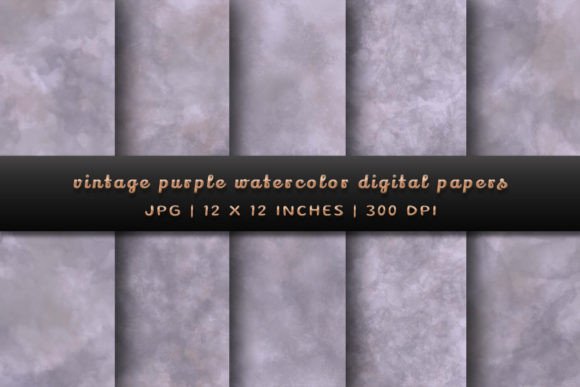
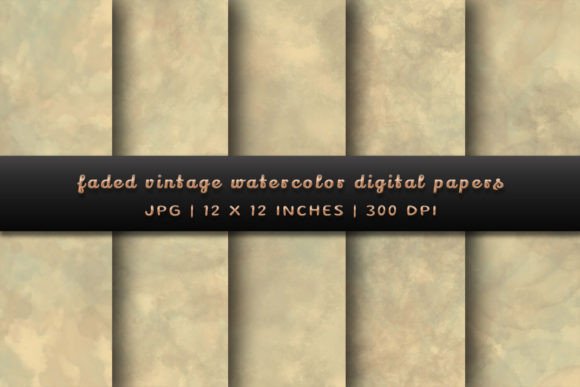
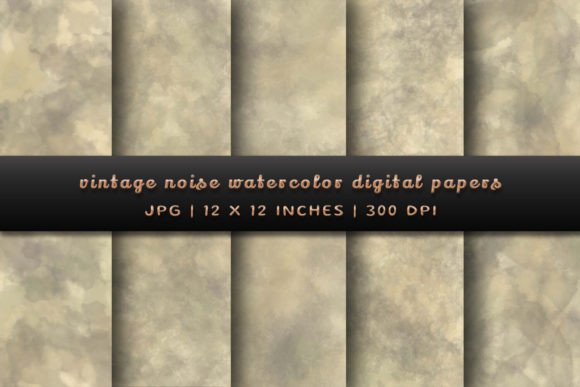
Think of the visual character here. It’s a sophisticated blend of two powerful textures. You get the soft, organic bleed and pigment pooling of a real watercolor wash, but it’s layered with a delicate film grain or subtle noise. This combination is key. The watercolor provides movement and a natural base, while the vintage noise adds a layer of analog authenticity, removing any hint of that overly smooth, digital perfection. The result is a background that feels lived-in, artistic, and quietly elegant. It suggests history and craftsmanship without saying a word.
Practical Applications for Modern Creators
The real value of a design asset like this is in its versatility. These backgrounds are designed to be workhorses for a wide range of projects, seamlessly fitting into both digital and print workflows. For entrepreneurs and small business owners, they offer a fast track to building a cohesive and memorable brand identity. Imagine using one of these textures as the foundation for your social media graphics. Suddenly, your Instagram grid or Pinterest boards have a consistent, sophisticated feel that elevates your content beyond generic stock photos. They are perfect for creating quote cards, announcement posts, or behind-the-scenes content that feels curated and professional.
For those in publishing and marketing, the applications are just as immediate. A blogger can use these as website background textures to add warmth to a header or a sidebar, making the reading experience more inviting. In editorial design, they work beautifully as full-bleed page backgrounds for lookbooks, digital magazines, or e-book covers, setting a specific mood that supports the content. The high-resolution 300 DPI, 12x12 inch specifications mean they are perfectly suited for high-quality print projects. Think wedding invitations, thank you cards, event programs, or packaging inserts. The texture holds up beautifully, adding a tactile feel to the printed piece that people notice and appreciate.
Crafters and hobbyists will find these papers especially useful for digital scrapbooking and creating personalized gifts. They provide a rich, layered base for photos and journaling. But their utility extends further. Use them as a unique backdrop for product photography, especially for flat lays involving jewelry, stationery, or handmade goods. The vintage watercolor effect can add context and character, making your products stand out. They can also be used to create custom desktop or phone wallpapers, or even printed and framed as simple, abstract art pieces.
Integrating Texture into Your Design Strategy
Knowing a tool exists is one thing; knowing how to use it effectively is another. Integrating a textured background like this requires a thoughtful approach to maintain visual hierarchy and readability. The primary goal is to let the texture support your content, not overpower it. A common and effective technique is to use the background at a reduced opacity, perhaps 30-50%, so it whispers rather than shouts. Alternatively, place your text and key graphic elements within a solid-colored shape—a box, a circle, or a banner—that sits on top of the background. This creates a clear separation and ensures your message is the hero.
When it comes to font pairing, these backgrounds have a distinct personality that calls for a complementary typeface. Because the backgrounds are organic and textured, pairing them with a clean, geometric sans serif font can create a beautiful, modern contrast. Think of a simple, bold sans serif for headlines against a soft watercolor wash; it’s a balance of the industrial and the natural. Conversely, you can lean into the vintage aesthetic by pairing them with a classic serif font or even a delicate script font for an elegant, romantic look. The key is to test your pairings. Overlay your chosen typeface on the background and evaluate the contrast and legibility at different sizes.
These digital papers function as a core component of a broader design system. They are a foundational design asset that can inform the rest of your creative choices. The subtle color palette within the watercolor effect can be sampled to create a cohesive color scheme for your entire project. This ensures that your logo, typography, and supporting graphics all feel like they belong together. By using these backgrounds consistently across your touchpoints—from your website to your business cards to your social media—you build a recognizable and professional brand identity. It’s a practical way to achieve a high-end look without a massive budget, providing the kind of textured depth that makes a design feel considered and complete. The included ZIP file contains everything you need to start immediately, offering a versatile set of five options to give you creative flexibility from the outset.