Oak Wood Brown Watercolor Backgrounds: Rustic Elegance for Your Designs
A Foundation of Natural Warmth and Texture
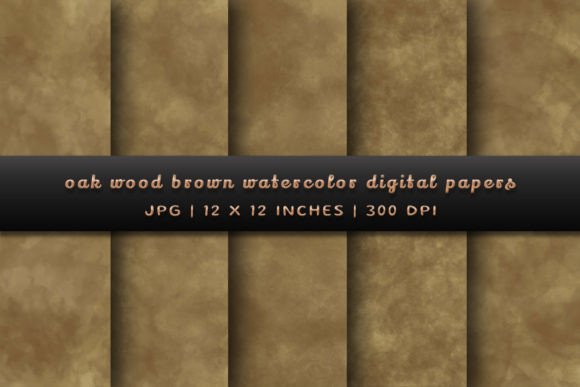
There’s a certain quiet confidence in materials that feel real. Oak Wood Brown Watercolor Backgrounds capture that feeling. These aren’t just flat, digital patterns. They’re textured surfaces that mimic the grain and subtle color variations of natural oak wood, blended with the fluid, organic washes of watercolor. The result is a design asset that feels both grounded and artistic. You get the sturdy, reliable character of wood grain paired with the soft, unpredictable beauty of watercolor bleeds and paper texture. The palette is inherently warm—think rich browns, honeyed tans, and creamy beiges, all with a gentle, hand-painted quality. This combination creates a background with personality. It feels handmade, authentic, and inviting, making it a versatile foundation for projects that need to convey warmth, craftsmanship, and a touch of rustic charm.
Where This Style Truly Shines
The practical applications for these digital papers are broad, but they excel where a human touch and natural aesthetic are desired. For brand identity and logo design, especially for businesses in artisanal food, boutique retail, eco-friendly products, or handmade crafts, these backgrounds instantly communicate core values of authenticity and quality. They provide a textured canvas that makes minimalist logos and typography pop. In editorial design and packaging design, they serve as a sophisticated backdrop for product photography or as a full-bleed background for menus, lookbooks, and gift tags, adding a layer of tactile interest. For digital creators, these papers are perfect for social media graphics, website hero images, and blog post headers. They stop the scroll by adding depth and a curated feel to an otherwise flat digital space. Print-based projects like wedding invitations, event programs, scrapbooking pages, and personalized stationery are transformed. The watercolor element softens the wood grain, making it elegant enough for formal events while retaining its approachable, organic vibe. It’s a style that bridges the gap between modern typography and classic, handcrafted design.
Influencing Perception and Engagement
A background is never just a background; it’s a silent narrator for your content. Using Oak Wood Brown Watercolor Backgrounds strategically influences how your audience perceives and interacts with your work. The natural, textured surface can actually enhance visual hierarchy. When paired with clean, sans-serif fonts or elegant serif typefaces, the background provides rich contrast, making headlines and key copy more legible and impactful. For brand perception, the consistent use of this aesthetic across touchpoints builds a recognizable and cohesive identity. It signals that a brand values craftsmanship, nature, and authenticity—qualities that resonate deeply with many consumers today. This consistency fosters trust and professionalism. The warmth of the tones and the organic pattern are inherently engaging; they feel less corporate and more personal, which can increase audience connection and dwell time, whether on a webpage or a physical piece of mail.
Practical Guidance for Implementation
Integrating these backgrounds effectively requires a thoughtful approach. Start by evaluating your project’s core message. Is the goal to feel luxurious, rustic, eco-conscious, or warmly personal? This style leans toward natural and crafted aesthetics, so it may not be the best fit for ultra-modern, tech, or high-glamour projects. When it comes to font pairing, test combinations carefully. A bold, geometric sans-serif can create a striking contemporary contrast. A classic serif font can enhance the timeless, elegant feel. Avoid overly decorative script or handwritten fonts directly on the textured background, as legibility can suffer; instead, use them as accent elements on a solid color pulled from the background’s palette. Always check the included styles. While these are image files, not a premium font with multiple weights, understanding the color range and texture variations within the set is crucial for consistency. For readability, especially with body text, consider placing text within a semi-transparent solid color box or using the background in larger, less text-dense areas like borders, headers, or sidebars. Ensure you have the right to use the assets. Since these are sold for commercial use, they are suitable for client work and products you sell, but always review the specific license provided with your download to confirm the terms for your intended use, especially for high-volume print-on-demand applications.
Bringing It All Together
The true value of a design asset like Oak Wood Brown Watercolor Backgrounds lies in its ability to tell a story without words. It’s a tool for adding depth, warmth, and a narrative of craftsmanship to your visual projects. By understanding its inherent personality and applying it with intention, you can elevate everything from a small business card to a full-scale website, creating designs that feel both professionally polished and genuinely human. Remember to start with a clear purpose, test your typography choices for clarity, and let the natural beauty of the texture do the heavy lifting in setting the tone.