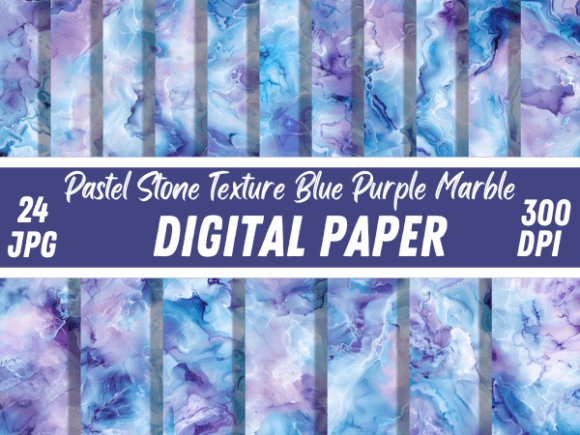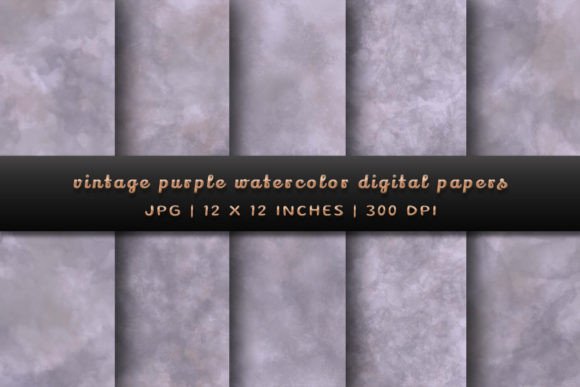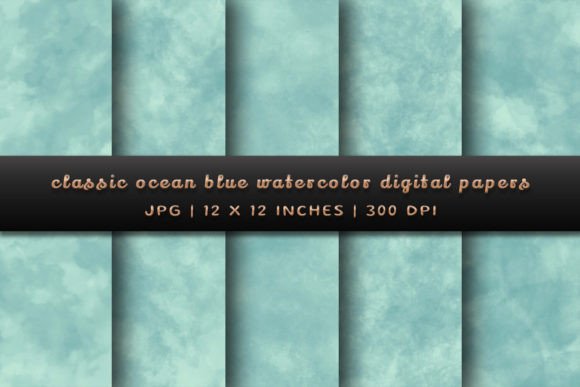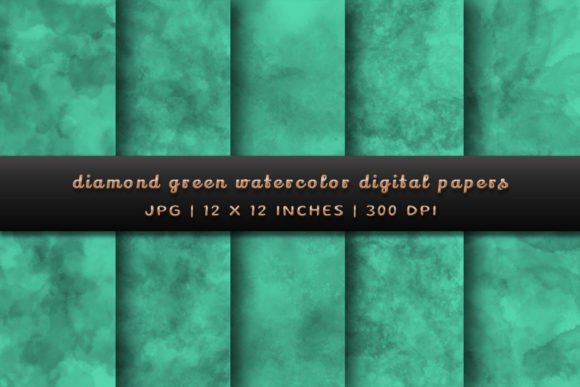
Elevate Your Designs with Pastel Sand Texture Backgrounds
Understanding the Visual Character of Pastel Sand Textures
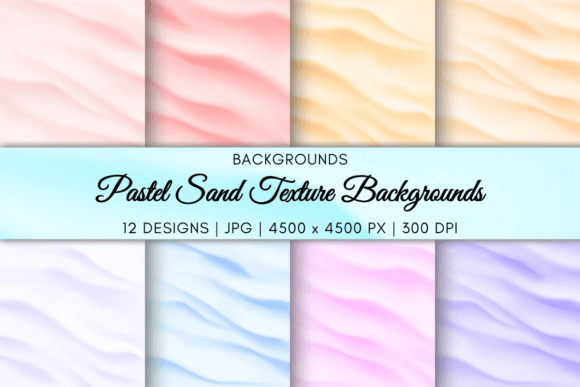
When we talk about design assets, we often focus on typography—serif fonts for tradition, sans serif fonts for modernity, or script fonts for personality. However, the canvas upon which your typography rests is equally critical to your overall visual hierarchy. Pastel Sand Texture Backgrounds represent a specific aesthetic choice that bridges the gap between organic warmth and digital precision. These backgrounds are not merely flat colors; they are high-resolution files (4500 x 4500 pixels at 300 DPI) that capture the granular, shifting nature of sand, softened by a pastel color palette.
The visual personality of these textures is inherently calm and approachable. Unlike a stark white background, which can feel clinical, or a dark background, which can feel heavy, pastel sand offers a "whisper" of color and texture. It mimics the natural world—the beach at dawn, a smooth desert stone—creating an immediate subconscious connection with the viewer. This style works exceptionally well for projects aiming to convey tranquility, luxury without pretension, and subtle sophistication. The texture provides "tooth" for the eye, preventing the design from feeling sterile while maintaining the cleanliness required for professional brand identity work.
Digital Marketing and Brand Identity
For small business owners and entrepreneurs, consistency across platforms is the gold standard of brand identity. Using Pastel Sand Texture Backgrounds as a recurring element in your visual branding can significantly boost recognition. Consider how this texture performs in the wild. In web design, a subtle sand texture can serve as a background for "About Us" pages or service sections, adding depth without distracting from the content. It pairs beautifully with both serif fonts for a classic look or modern sans serif typography for a contemporary contrast.
On social media graphics, where the scroll speed is rapid, these backgrounds stop the thumb. They offer a tactile quality that flat design lacks. When overlaying text—whether it is a motivational quote or a product announcement—the texture ensures the graphic looks premium. It eliminates the "template" feel often associated with stock designs. For entrepreneurs in the wellness, lifestyle, or fashion sectors, this aesthetic aligns perfectly with current trends that favor authenticity and organic materials over synthetic perfection.
Publishing and Editorial Design
In the realm of publishing, specifically in editorial design and scrapbooking, the choice of background dictates the mood of the entire layout. Pastel sand textures are versatile enough to act as a unifying element in a photo album or a digital magazine. Because the files are provided in JPEG format with universal compatibility, they integrate seamlessly into software like Adobe InDesign or Canva. Imagine a wedding invitation suite: the subtle grain of the sand texture adds a tactile elegance that plain cardstock cannot replicate. It suggests that the event—or the brand—is thoughtful, detailed, and curated.
For content creators producing digital planners or journals, these backgrounds offer a distinct advantage. They provide enough contrast to make text legible (assuming proper font pairing) while being soft enough not to cause eye strain during prolonged viewing. This balance is crucial in user experience (UX) design; the background should support the content, not compete with it.
Typography and Font Pairing
One of the most common pitfalls in design is choosing a background that fights with the typeface. With Pastel Sand Texture Backgrounds, you have the freedom to experiment with various font styles, but specific pairings yield the best results.
- Serif Fonts: Pairing these textures with a classic serif font creates a timeless, high-end look suitable for luxury packaging design or boutique invitations.
- Sans Serif Fonts: A clean, geometric sans serif font cuts through the organic texture, creating a modern contrast that works well for tech startups or minimalist blogs.
- Script or Handwritten Fonts: For a softer, more personal touch, combine the background with a legible script font. This is ideal for personal stationery or artisanal product labels.
When overlaying text, always ensure there is sufficient contrast. Since the background is a pastel (light value), you will likely need darker text colors—charcoal, deep navy, or chocolate brown work better than pure black, which can feel too harsh against the soft pastel hues.
Evaluating Project Fit and Licensing
Before downloading, it is essential to evaluate the specific needs of your project. These high-resolution assets are designed for versatility. The 4500x4500 pixel dimension ensures that even if you crop the image significantly for a specific social media post, the integrity of the texture remains intact. There is no pixelation, which is vital for maintaining professionalism in print quality.
Furthermore, understanding the commercial license is non-negotiable for business owners. When you acquire design assets from a reputable source, you are paying for the peace of mind that you can use them in commercial projects—whether for a client's logo design, a sold-out e-book, or physical merchandise—without legal repercussions. Always review the specific terms to ensure the license covers your intended use, particularly if you are creating "print-on-demand" products where the background constitutes a significant portion of the value.
Ultimately, Pastel Sand Texture Backgrounds are more than just pretty pictures; they are functional design tools. They allow you to control the atmosphere of your creative projects, ensuring that your audience feels the intended emotion—calm, trust, and aesthetic pleasure—the moment they view your work. By integrating these textures thoughtfully, you elevate your output from amateur to professional, ensuring your brand stands out with a distinct, tactile elegance.