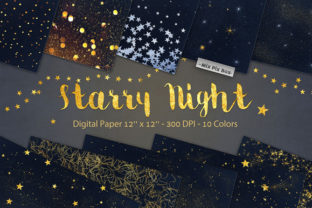
Starry Night Backgrounds: A Guide to Stellar Digital Textures
The Allure of a Cosmic Canvas
There's a specific kind of magic that happens when you look up at a clear, dark sky. It’s a feeling of wonder, romance, and infinite possibility. Capturing that feeling in a design project can be transformative. This is precisely what high-quality starry night backgrounds offer. They aren't just random dots on a dark canvas; they are carefully crafted textures designed to evoke a specific mood and add a layer of sophisticated depth to your work. Think of them as a premium design asset, a versatile piece of digital paper that can serve as the foundation for countless creative endeavors.
A strong starry night texture is more than just a background; it's a personality. The best ones, like the collection described here, feature stars with varying shapes, colors, and densities. This variation is crucial. It creates a sense of realism and prevents the pattern from looking flat or repetitive. The description of these textures appearing "almost three-dimensional" speaks to their quality. They have a luminosity and structure that can make a design feel finished and polished, whether you're working on a bold poster or an intimate wedding invitation. It's the difference between a generic fill and a thoughtfully chosen environment for your content.
Practical Applications for Designers and Creators
Where do these stellar textures truly shine? Their utility spans a remarkable range of projects, making them a valuable component of any designer's toolkit. For digital creators and web designers, a subtle starry background can add immense visual interest to a website header, a blog post featured image, or a social media graphic. It immediately sets a tone—perhaps one of elegance, mystery, or celebration—without overwhelming the primary content. This is a core principle of modern typography and layout: the background should support the message, not compete with it.
In the realm of print and branding, the applications are equally compelling. Consider these uses:
- Editorial and Packaging Design: Use a dark, dense starry texture for the cover of a book, a magazine spread, or product packaging for a luxury item. It conveys a sense of premium quality and intrigue.
- Event Stationery: For weddings, galas, or milestone celebrations, these backgrounds are perfect for invitations, programs, and menus, instantly adding a romantic and festive atmosphere.
- Marketing Materials: Create eye-catching flyers, posters, and brochures. A starry night background can help your key message or call-to-action pop, especially when paired with clean, high-contrast typography.
- Personal Projects: From custom photo album backdrops to DIY craft projects and digital planners, these textures offer a beautiful, easy-to-use foundation for personal creativity.
The key is to think of the starry night background as a foundational layer of your brand identity or design system. Consistent use of a specific texture or style can become a recognizable element, helping to build cohesion across different platforms and materials.
Integrating Textures with Typography and Hierarchy
A stunning background is only half the equation. The real skill lies in integrating it with your other design elements, particularly typography. When working with a busy or visually rich texture like a starry night, your choice of typeface and your approach to visual hierarchy become paramount. The goal is readability and clarity.
This is where understanding font pairings is essential. A bold, clean sans serif font often works beautifully for headlines against a textured background, providing strong contrast and easy legibility. For a more elegant or classic feel, a refined serif font can complement the celestial theme. Avoid overly intricate script fonts or handwritten fonts for body text, as they can become lost in the texture. If you must use a decorative display font, reserve it for a very short, impactful headline and ensure there is ample negative space around it.
Practical guidance for testing is straightforward. Once you've selected your starry night background, place your text over it. Squint your eyes. If the text blurs into the background, you have a contrast problem. Solutions include:
- Adding a subtle overlay or a semi-transparent shape behind your text to create a solid field.
- Choosing a brighter or bolder color for your typography.
- Using a texture with a less dense star field in the area where text will be placed.
- Increasing the font weight or size to reinforce the hierarchy.
Remember, the background sets the stage, but your content is the star of the show. By carefully considering your font pairing